The San Jose Spitfires were founding members of the Ladies League Baseball (LLB) in 1997. The LLB marked the first attempt at professional women’s baseball in the United States since the All-American Girls Professional Baseball League folded in the 1950s. Inspired in part by renewed interest following the film A League of Their Own, league founder Michael Ribant, a San Diego stockbroker, launched what he described as a serious, financially structured effort to bring women’s professional baseball back to life.
San Jose stood at the forefront of that revival.
1997: Championship Season
The inaugural league featured five West Coast teams:
- San Jose Spitfires
- San Francisco Bay Sox
- Long Beach Aces
- Phoenix Peppers
- Los Angeles Legends
The Spitfires quickly established themselves as the league’s premier club with longtime baseball man John Oldham managing. After dropping the league’s opening game to Los Angeles, San Jose got hot, eventually going on a 15-game win streak to take first place. Behind talented players like pitcher Nancy Bronson and Victoria Ruelas, the Spitfires defeated the Los Angeles Legends in the championship series to capture the 1997 Ladies League Baseball title.
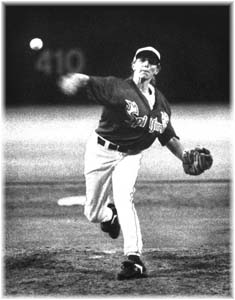
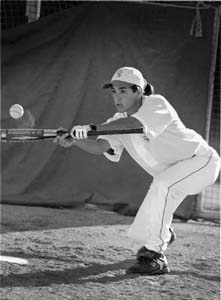
The Spitfires had several notable women on the roster including Ruelas, the first girl to play in the Little League World Series (1989), even homering in the playoffs at 12-years-old. Alex Oglesby, then a 17-year-old catcher for the varsity Pacifica High School, is now an assistant coach with Team USA.
The Spitfires’ championship made San Jose the first city in the modern era to host a professional women’s baseball title team.
The League’s Ambition
Ribant’s vision was bold. With approximately $500,000 in startup backing, the league clustered teams in California and Arizona to reduce travel costs. Ticket prices ranged from $5 to $8. The inaugural season scheduled 60 games in roughly 75 days.
The league emphasized real baseball — headfirst slides, 70-mph fastballs, double plays — not exhibition novelty. Players trained intensely, often practicing six hours a day, seven days a week. Salaries averaged approximately $850 per month, with many athletes leaving established careers for a rare opportunity to play professional baseball.
The league arrived amid a broader surge in women’s professional sports, the same summer the WNBA debuted. Observers described the Ladies League as the first serious attempt at a sustainable women’s professional baseball league in nearly half a century.
Expansion plans quickly followed.
1998: Expansion and Collapse
In 1998, the league rebranded as the Ladies Professional Baseball League (LPBL) and expanded eastward, adding clubs in Buffalo, New York, and Augusta, New Jersey, while relocating Los Angeles to Florida.
However, attendance proved the league’s fatal weakness. Average crowds hovered below 500 per game. After only 12 games in the 1998 season, mounting financial losses forced the league to cancel the remainder of the schedule and fold entirely.
San Jose’s championship remained the league’s lone completed title.